- Cyber Snack
- Posts
- AI Chip News for Days
AI Chip News for Days
PLUS: Apple and Broadcom AI Chip Collaboration, Microsoft introduces Phi-4 & U.S. Firms vs. Government on China Exports.

Thomas Collins
December 13, 2024
Cyber Snack
Read time: 3 min 12 sec
This week, the stockings are full of AI chips. Apple teams up with Broadcom to develop its first AI-specific chip, while Microsoft unveils the Phi-4 AI model for complex tasks. A dispute over U.S. export controls to China intensifies, and other headlines cover rising streaming prices, Adobe's AI concerns, and Elon Musk’s recycling comments.
Let’s dive in.
Top Story
Apple and Broadcom AI Chip Collaboration

Apple’s current M3 chip lineup. Via Apple.
What's Happening? Apple has partnered with Broadcom to engineer its first AI-specific server chip, highlighting its intent to advance its AI capabilities beyond existing solutions. This custom chip will improve AI performance and efficiency across Apple's ecosystem, from iPhones to data centers, reducing dependency on external suppliers like Nvidia and allowing for better hardware control and AI feature integration.
The Detail:
Codename and Timeline: The new AI chip is internally codenamed "Baltra" and is slated for mass production by 2026.
Manufacturing Process: Apple plans to use Taiwan Semiconductor Manufacturing Company’s (TSMC) advanced N3P process for chip fabrication, which is expected to offer superior performance and energy efficiency.
Networking Technology: Broadcom is contributing its expertise in networking technology for the chip, which is crucial for high-performance, low-latency AI processing. This collaboration leverages Broadcom's established position in networking solutions.
Business Impact: Apple's AI chip with Broadcom reduces Nvidia dependency, cuts costs, and opens new revenue avenues, boosting its AI market position and supply chain control, encouraging further tech collaborations.
Tech Impact: This chip enhances AI across Apple's products, pushing design limits for better performance and efficiency, potentially setting new AI hardware norms and spurring industry innovation.
Tech Pulse
Microsoft introduces Phi-4

Source: Microsoft
What's Happening: Microsoft has introduced Phi-4, a 14-billion-parameter generative AI model designed for complex reasoning and math tasks. While smaller than many current models, Phi-4 is available in a research preview through Microsoft’s Azure AI Foundry under a research license. This release highlights Microsoft’s focus on advancing AI, especially in areas like solving mathematical problems.
Meaning: Phi-4 demonstrates Microsoft's aim for efficient AI that excels without massive computing resources. By enhancing data quality and post-training, it counters the notion that size defines AI effectiveness, potentially impacting fields like engineering and finance, while promoting specialized, resource-efficient AI.
Tech Impact: Phi-4 focuses on efficient AI models that excel with fewer resources, improving capabilities in fields like engineering and finance.
Business Impact: Phi-4 enhances Microsoft's AI leadership, making advanced AI more accessible and boosting Azure AI Foundry's user base.
Policy & Power
U.S. Firms vs. Government on China Exports
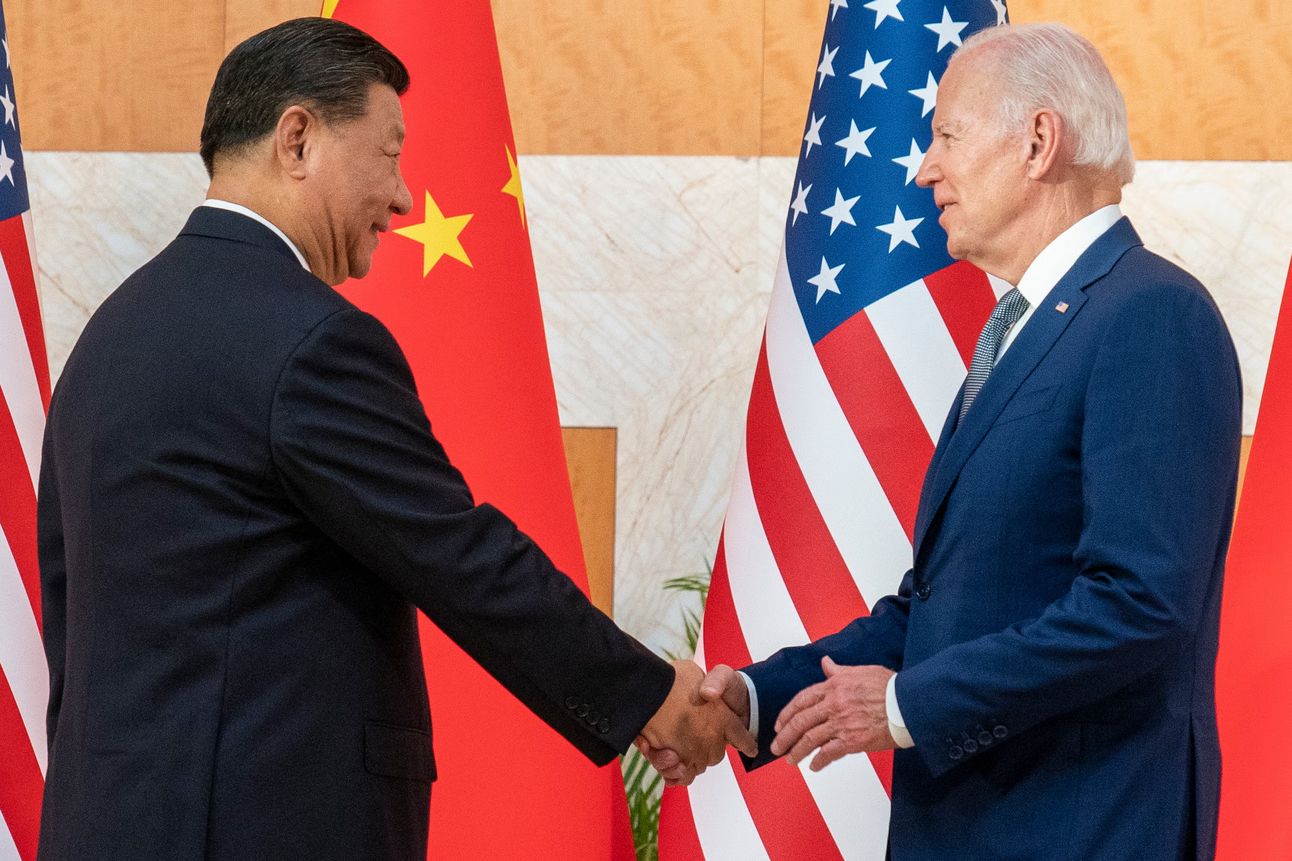
Via independent
What's Happening: In Washington, there's a significant dispute between U.S. tech companies and government policymakers regarding the regulation of tech exports, particularly semiconductors and AI, to China. The government wants to impose stricter controls to prevent these technologies from boosting China's military capabilities, while tech companies oppose these measures due to potential revenue losses and market access restrictions.
Meaning: This struggle highlights the tension between securing U.S. technological advantages for national security reasons and the economic implications for American businesses. It showcases a broader strategy to limit China's tech growth, potentially affecting U.S. firms' competitiveness and global supply chains, reflecting the intricate balance of diplomacy, economics, and security in tech policy.
Tech Effects: Stricter export controls could slow China's progress in advanced tech sectors like AI and semiconductors, potentially leading to less innovation or more reliance on domestic solutions.
Business Effects: U.S. companies might lose significant market share in China, impacting profits, while encouraging diversification or relocation of supply chains to mitigate risks from regulatory changes.
Other Headlines
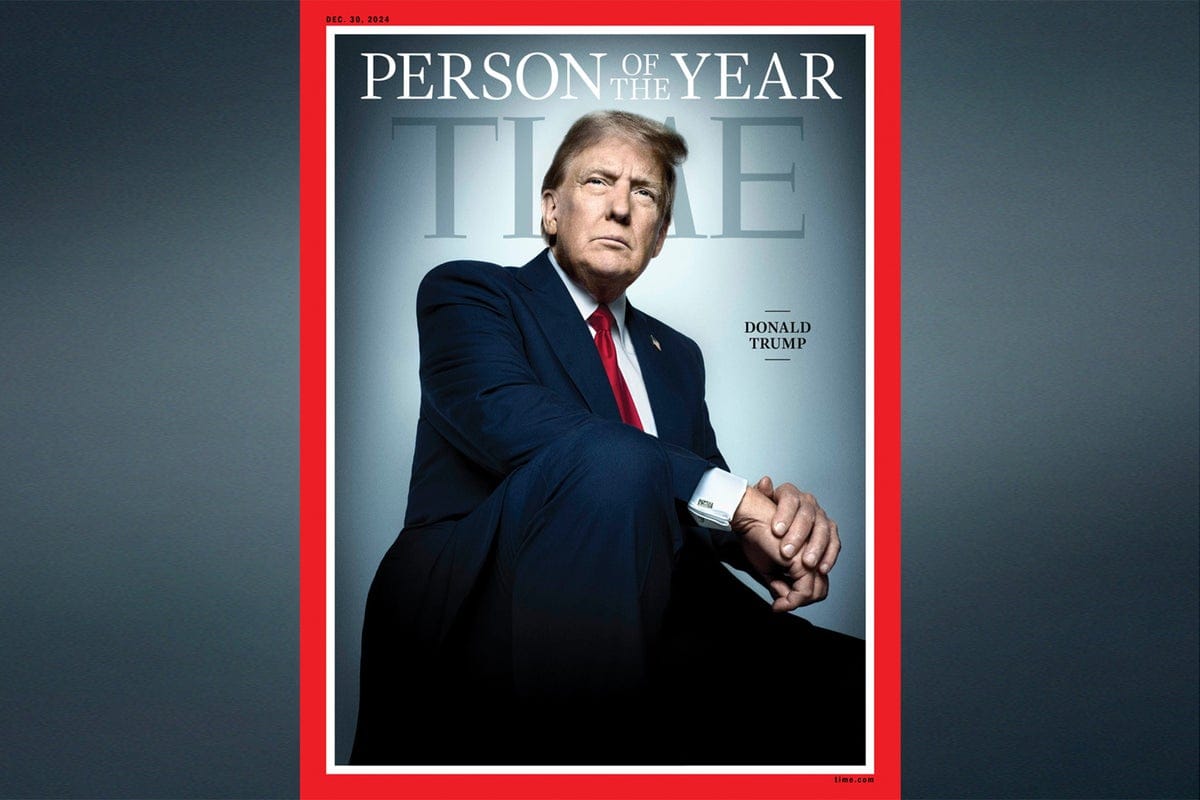
Trump named Times person of the Year. Via Times.
🥊 Political Contributions: Bezos matched Zuck's $1M contribution to Trump.
📈 Streaming Price Surge: Google hikes YouTube TV's price to $83 a month.
🤖 AI Investment Caution: Adobe’s AI concerns worry investors.
💸 Tax Policy Shift: Trump advisers considering raising SALT write-off limit to $20,000.
💌 Preemptive Pardons: President Biden might consider preemptive pardons for figures like Dr. Anthony Fauci and Liz Cheney.
♻️ Musk Declares Recycling 'Pointless', Ignites Debate: Elon Musk stated that recycling household waste is counterproductive, sparking a debate on its environmental impact and efficiency.
Thanks for reading.
Until next time!
Thomas & the ONUE team 🚀